Updated 28/08/2026
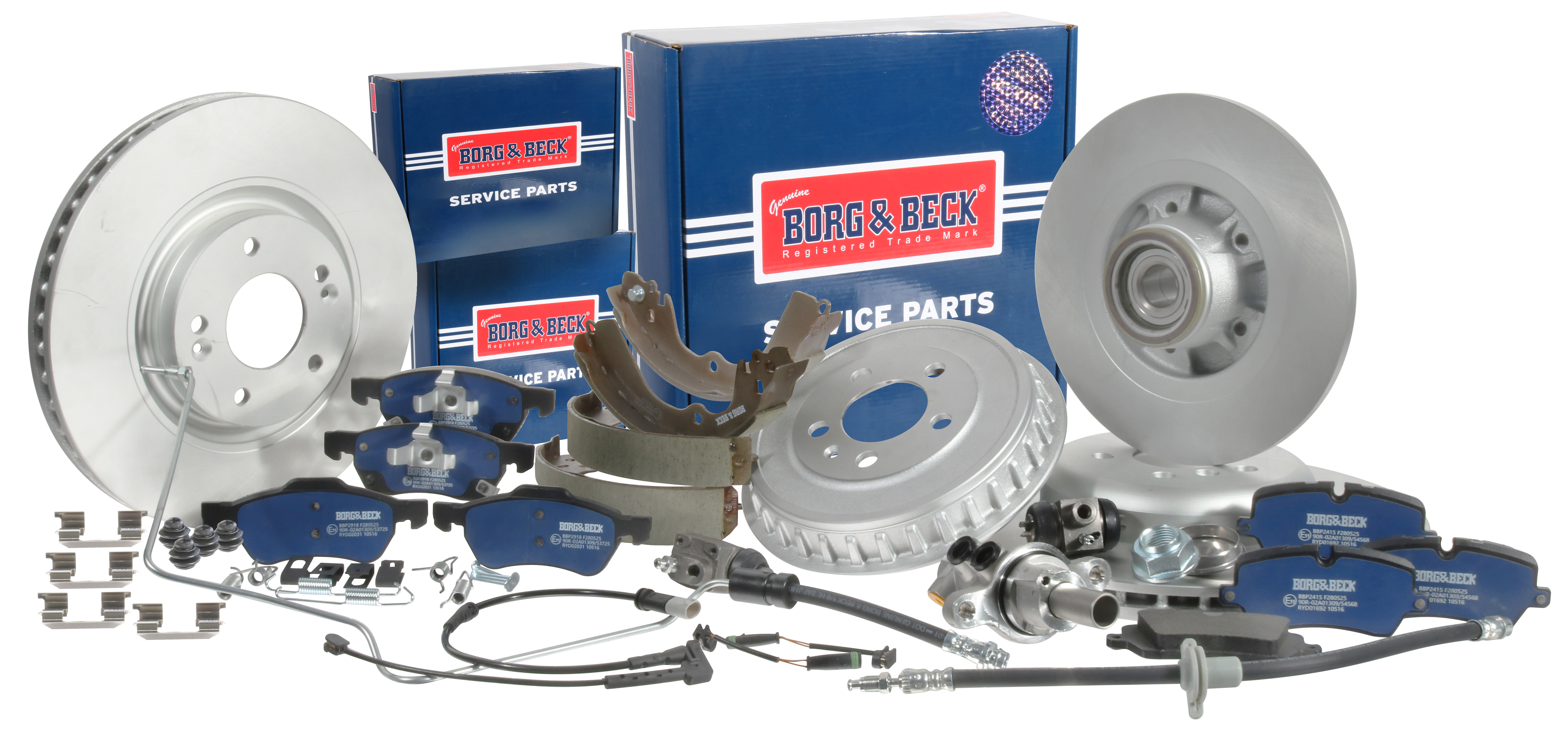
When it comes to braking, replacing the obvious worn component is only part of the job. As vehicles and their braking systems continue to evolve, First Line Ltd. is encouraging technicians to look beyond individual parts and consider how the entire braking system is working together.
Through its Borg & Beck brand, First Line is highlighting the importance of a system-first approach to brake servicing – inspecting the components around the repair, identifying potential causes of premature wear and following correct installation procedures to help achieve a reliable, long-lasting repair.
For workshops, this approach isn't simply about braking performance. Getting the complete job right first time can help reduce noise complaints, premature wear and unnecessary customer comebacks.
Think beyond pads and discs
Brake pads and discs operate together as a friction pair, which means the condition of one directly affects the performance of the other.
Kelvin Olds, Product Director at First Line Ltd., explains: “Braking systems are highly sensitive to component interaction. A new set of pads fitted against a heavily worn or damaged disc surface cannot be expected to perform in the same way as pads and discs working together in the correct condition.
“That’s why we encourage technicians to assess the complete braking system rather than automatically treating the component that appears worn as the whole repair.”
When pads are being replaced, technicians should therefore carefully inspect disc condition, thickness and wear pattern rather than considering the pads in isolation. Where disc replacement is required, pads and discs should be renewed together across the axle.
Equally, abnormal pad wear can provide useful clues. Uneven wear between the inner and outer pads, for example, may indicate an issue elsewhere in the assembly rather than simply a worn friction component.
Don't overlook the smaller components
A comprehensive brake inspection should extend beyond the friction components.
Caliper guide pins, clips, springs and other fitting hardware all contribute to correct pad movement and alignment. Corrosion, seizure or worn hardware can prevent pads from releasing or contacting the disc correctly, potentially resulting in uneven wear, overheating and noise.
Olds comments: “Some of the smallest components in a braking system can have a significant impact on the quality of the finished repair. Technicians should be looking at why a component has worn in a particular way, rather than simply replacing it and sending the vehicle back out.”
Brake hoses should also be checked carefully. While external cracking or deterioration may be relatively easy to identify, hoses can deteriorate internally too. A compromised hose can restrict hydraulic pressure or affect its release, potentially contributing to poor pedal feel, brake drag or uneven braking.
Brake fluid is another important part of the system. As brake fluid is hygroscopic, it absorbs moisture over time, reducing its boiling point and potentially affecting braking performance under demanding conditions. Workshops should check the vehicle manufacturer's recommended replacement interval and assess fluid condition as part of routine brake servicing.
Don't forget the brake wear sensor
As vehicle technology has developed, brake pad wear sensors have become increasingly commonplace, making them another important consideration during servicing.
Designed to provide an early warning that pads are approaching the end of their usable life, wear leads can help prevent worn pads from causing damage to more expensive components such as discs and calipers.
However, the sensor itself should not be overlooked during the repair. Where the vehicle application requires replacement of the wear lead with the pads, technicians should ensure the correct sensor is fitted and routed appropriately.
Borg & Beck offers a comprehensive range of brake wear leads designed to match OE specifications and integrate correctly with the vehicle's electronic systems.
“Brake wear leads may be relatively small parts, but they have an important role to play in modern brake maintenance,” Olds explains. “Correct identification and replacement helps ensure the warning system continues to operate as the vehicle manufacturer intended.”
Preparation can make or break the repair
Even premium braking components can develop problems if they're fitted to poorly prepared surfaces.
Before fitting a new disc, the hub mating surface should be thoroughly cleaned of corrosion and debris. Even a very small amount of contamination between the hub and disc can introduce lateral run-out, potentially leading to vibration, pedal pulsation and uneven disc wear.
Technicians should also inspect the hub itself and check for excessive run-out where appropriate rather than assuming a new disc will automatically resolve an existing vibration issue.
Correct installation of directional brake pads is equally important. Where pads incorporate features such as chamfers or other application-specific designs, they must be fitted in accordance with the manufacturer's instructions.
Olds adds: “Attention to detail during installation is vital. Taking a few additional minutes to clean the hub correctly, inspect the surrounding components and check the fitting instructions can save considerably more time dealing with a customer comeback later.”
Use the right products in the right way
First Line also reminds technicians that established habits aren't always best practice.
For example, copper grease should not be applied to the back of modern brake pads. Borg & Beck brake pads use double rubber shims designed to absorb noise and vibration, meaning additional products applied to the back of the pad can interfere with their intended operation.
Technicians should instead follow the component manufacturer's fitting guidance and use only appropriate brake-specific lubricants at the specified contact points where required.
Component quality is equally important. Brake parts operate under high loads and temperatures and must deliver consistent friction characteristics throughout their service life.
Through Borg & Beck, First Line supplies braking components developed to provide a premium aftermarket solution, backed by the brand's long-standing OE heritage.
The job isn't finished when the vehicle leaves the ramp
Correct bedding-in is essential following the installation of new brake pads and discs.
New friction surfaces need time to establish consistent contact. Excessive or prolonged heavy braking immediately after installation can contribute to glazing or uneven material transfer, potentially resulting in noise, vibration or reduced performance.
Borg & Beck includes a bedding-in guide with every brake disc set, recommending careful, progressive braking during the first 400 miles.
Workshops should communicate this advice to the customer when returning the vehicle, helping them understand that how the brakes are treated during their early service life can influence their long-term performance.
A better repair, not simply a bigger one
A system-first brake service isn't about replacing components unnecessarily. It's about carrying out a thorough inspection, understanding why wear has occurred and replacing the components necessary to restore the braking system correctly.
For independent workshops, this approach can help deliver a more professional repair while reducing the risk of premature component failure, noise complaints and repeat visits.
Olds concludes: “The best brake repair isn't necessarily the one involving the most parts; it's the one where the technician has considered the complete system. Inspecting thoroughly, using premium-quality components and following correct fitting procedures gives both the workshop and the customer greater confidence in the repair.”
With an extensive and continually developing range of quality aftermarket car parts, First Line, through its Borg & Beck brand, provides workshops and repairers with the Braking coverage, reliability, technical support and product confidence they need to service today’s vehicles effectively, while preparing for the demands of tomorrow’s parc. To find out more about Borg & Beck’s braking range and 65+ other product lines, visit www.borgandbeck.com. To view First Line’s full application coverage, visit its online catalogue at https://webcat.firstline.co.uk/Home.
ENDS
Nikki Gooch
Impression Communications Ltd.
nikki@impressionuk.co.uk
Tel: 07793387534